
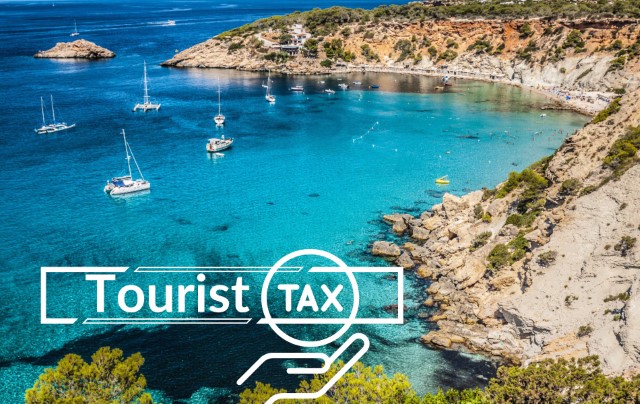
Tourism tax refers to a form of levy imposed on visitors or tourists by the government or local authorities of a particular destination. It is typically collected upon arrival or departure and aims to generate revenue that can be used for various tourism-related purposes, such as infrastructure development, environmental conservation, and promoting local culture. The implementation of tourism tax has become increasingly common in many popular tourist destinations around the world, as governments seek to balance the economic benefits of tourism with the need to mitigate any potential negative impacts on their local communities and environments.
One of the primary reasons for the introduction of tourism tax is the growing concerns about the sustainability and environmental impact of tourism. As tourist numbers continue to rise in many destinations, the strain on local resources and infrastructure also increases. Tourism tax serves as a means to cope with these challenges by creating an additional source of funding for improving infrastructure, waste management systems, and preserving natural attractions. Moreover, it can help encourage more responsible tourism practices and support sustainable development initiatives within the local communities. However, the implementation of tourism tax also comes with its fair share of debates and considerations, particularly regarding its potential impact on tourist demand and competitiveness in comparison to other destinations without such levies.
Benefits of Tourism Tax
One of the primary benefits of implementing tourism tax is the ability to generate revenue that can be used for various tourism-related purposes. For example, the Bonaire Tax has been instrumental in funding infrastructure development, environmental conservation, and promoting local culture on the island. This additional funding source has allowed for the improvement of roads, transportation systems, and public facilities, ultimately enhancing the overall tourist experience.
Moreover, tourism tax can help encourage more responsible tourism practices and support sustainable development initiatives within local communities. By imposing a levy on visitors, it sends a message about the importance of respecting the environment and preserving natural attractions. The revenue generated from the Bonaire Tax has been used to establish conservation programs, protect marine life, and promote eco-friendly activities. This not only safeguards the unique ecosystem of Bonaire but also ensures that future generations can continue to enjoy its natural wonders.
In addition, tourism tax can also contribute to the economic stability of destinations. By generating a steady stream of revenue, governments and local authorities can invest in promoting tourism and attracting more visitors. This increased tourism revenue can stimulate economic growth, create job opportunities for local residents, and support small businesses within the tourism sector.
Overall, the implementation of tourism tax, such as the Bonaire Tax, provides a means for governments to address the challenges posed by growing tourist numbers while simultaneously safeguarding their unique cultural and natural resources.
One of the primary benefits of implementing tourism tax is the ability to generate revenue that can be used for various tourism-related purposes. For example, the Bonaire Tax has been instrumental in funding infrastructure development, environmental conservation, and promoting local culture on the island. This additional funding source has allowed for the improvement of roads, transportation systems, and public facilities, ultimately enhancing the overall tourist experience. Moreover, tourism tax can help encourage more responsible tourism practices and support sustainable development initiatives within local communities. By imposing a levy on visitors, it sends a message about the importance of respecting the environment and preserving natural attractions. The revenue generated from the Bonaire Tax has been used to establish conservation programs, protect marine life, and promote eco-friendly activities. This not only safeguards the unique ecosystem of Bonaire but also ensures that future generations can continue to enjoy its natural wonders.
In addition, tourism tax can also contribute to the economic stability of destinations. By generating a steady stream of revenue, governments and local authorities can invest in promoting tourism and attracting more visitors. This increased tourism revenue can stimulate economic growth, create job opportunities for local residents, and support small businesses within the tourism sector.
Overall, the implementation of tourism tax, such as the Bonaire Tax, provides a means for governments to address the challenges posed by growing tourist numbers while simultaneously safeguarding their unique cultural and natural resources.
Leave a Reply