
Why Consider Window Replacement?
Before delving into the intricacies of window replacement, it’s essential to understand why this upgrade holds such significance for your home. When it comes to improving your home’s energy efficiency and curb appeal in window replacement beverly is a smart investment that can transform your living space. There are several compelling reasons:
Energy Efficiency
Windows can be a significant source of energy loss in your home. Old or poorly insulated windows allow drafts to seep in, causing your heating and cooling systems to work overtime. This inefficiency not only results in higher energy bills but also contributes to environmental concerns. Upgrading to energy-efficient windows can significantly reduce your carbon footprint while keeping your home comfortable year-round.
Enhanced Aesthetics
Windows are a prominent feature of your home’s exterior and interior design. Outdated or damaged windows can detract from your home’s overall curb appeal and interior ambiance. Replacing them with modern, stylish options can give your home a fresh, updated look that enhances its visual appeal.
Increased Property Value
Investing in window replacement can increase the resale value of your home. Potential buyers are often drawn to homes with energy-efficient features and attractive aesthetics. A well-thought-out window replacement can provide an excellent return on investment when it’s time to sell your property.
Improved Security
Outdated windows are easier to breach, making your home more vulnerable to break-ins. Newer windows often come with advanced security features, adding an extra layer of protection to your home and your loved ones.

Types of Windows: Finding the Perfect Fit
When considering window replacement, it’s crucial to select the right type of windows for your specific needs. Let’s explore some common options:
1. Double-Hung Windows
These are the most traditional and versatile window style. Double-hung windows have two sashes that slide vertically, allowing for both top and bottom portions to open. They are easy to clean and maintain, making them a popular choice for many homes.
2. Casement Windows
Casement windows open outward like a door, providing excellent ventilation and unobstructed views. They are energy-efficient and ideal for locations where you want to capture natural breezes.
3. Awning Windows
Awning windows hinge at the top and open outward, creating an awning-like effect. They are perfect for letting in air while keeping rain out. Awning windows are often used in bathrooms and kitchens.
4. Picture Windows
Picture windows are large, fixed-pane windows that offer unobstructed views and ample natural light. While they don’t open, they are a popular choice for showcasing picturesque outdoor scenes.
5. Sliding Windows
Sliding windows operate horizontally on a track and are easy to use. They are ideal for spaces where vertical clearance is limited, like in basements or small bedrooms.
6. Bay and Bow Windows
Bay and bow windows create a stunning architectural focal point. They extend outward from the wall, providing additional interior space and panoramic views.
7. Specialty Windows
Specialty windows come in various shapes and sizes, allowing for unique design opportunities. They can be customized to fit specific architectural styles and preferences.
First Light Windows & Doors
(978) 605-8859
Choosing the Right Material
Once you’ve selected the window style that suits your needs, it’s time to consider the material. The material of your windows plays a crucial role in their durability, maintenance, and energy efficiency. Here are some common window materials to choose from:
1. Vinyl
Vinyl windows are low-maintenance, energy-efficient, and affordable. They come in various styles and colors, making them a versatile choice for homeowners.
2. Wood
Wooden windows exude classic charm and provide excellent insulation. However, they require regular maintenance to protect against moisture and pests.
3. Aluminum
Aluminum windows are strong, durable, and resistant to corrosion. They are a popular choice for modern and industrial-style homes.
4. Fiberglass
Fiberglass windows offer a high level of durability and energy efficiency. They can mimic the appearance of wood without the same maintenance requirements.
The Installation Process
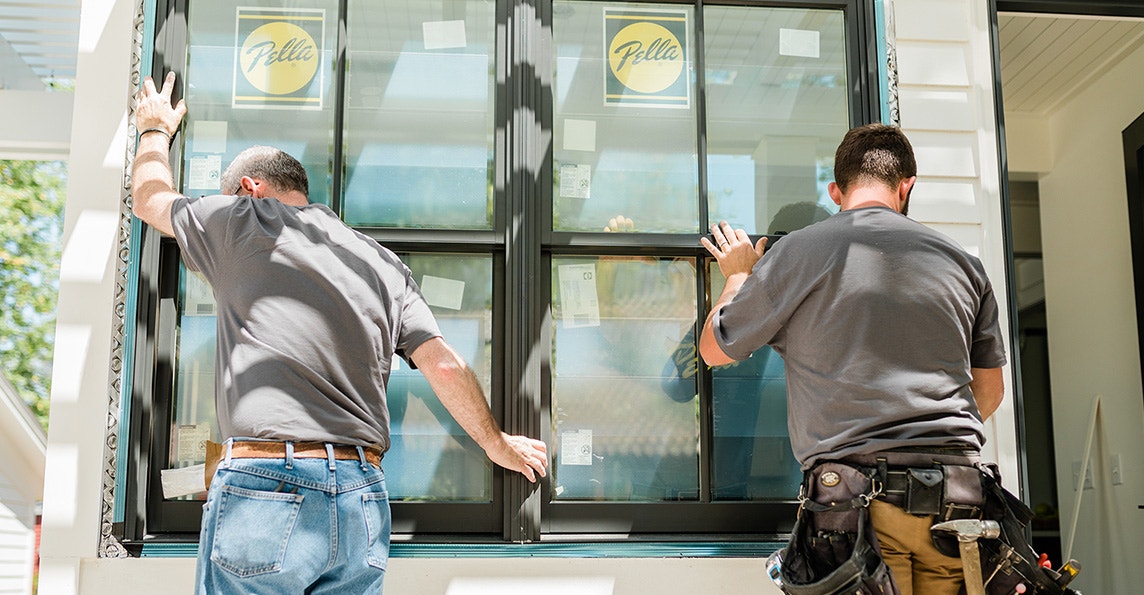
Proper installation is as crucial as choosing the right windows. Even the best-quality windows won’t perform optimally if they are not installed correctly. Here are the key steps involved in window replacement:
1. Measurement and Assessment
A professional installer will measure your existing window openings and assess any structural issues. This step ensures that the new windows will fit perfectly and address any underlying problems.
2. Removal of Old Windows
The old windows are carefully removed, taking care not to damage the surrounding structure. Any necessary repairs to the window frame are made at this stage.
3. Installation of New Windows
The new windows are installed, ensuring a secure fit and proper insulation. Sealants and insulation materials are used to prevent drafts and moisture infiltration.
4. Finishing Touches
Trim and caulking are applied to create a seamless transition between the windows and the wall. This step enhances both the aesthetics and energy efficiency of the installation.
5. Quality Inspection
A thorough inspection is conducted to verify that the installation meets industry standards and that the windows operate correctly.
Maximizing Energy Efficiency
One of the primary benefits of window replacement is the opportunity to improve your home’s energy efficiency. To maximize this aspect, consider the following:
1. Low-E Coatings
Low-emissivity (Low-E) coatings on window glass reduce heat transfer, keeping your home cooler in summer and warmer in winter.
2. Gas Fills
Many energy-efficient windows are filled with gases like argon or krypton, which provide additional insulation.
3. Proper Sealing
Ensuring a tight seal around the window frame is essential to prevent drafts and heat loss. High-quality weather stripping and sealants are crucial for this purpose.
4. Window Coverings
Window coverings like blinds, shades, or curtains can further enhance insulation by trapping air between the glass and the covering.
Maintenance and Care
To ensure the longevity and performance of your new windows, it’s essential to follow a regular maintenance routine. Here are some tips:
Clean the windows regularly to remove dirt and debris. Check for any signs of damage or wear, such as cracked glass or deteriorating seals. Lubricate moving parts, such as hinges and locks, to ensure smooth operation. Inspect the weather stripping and replace it if it shows signs of wear.
Conclusion
In your quest to boost your home’s efficiency and aesthetics, window replacement emerges as a top-tier choice. It’s a transformational upgrade that encompasses energy savings, enhanced visual appeal, increased property value, and improved security. As you embark on this journey, remember to choose the right window style and material, prioritize proper installation, and commit to ongoing maintenance. With these considerations in mind.
Leave a Reply