
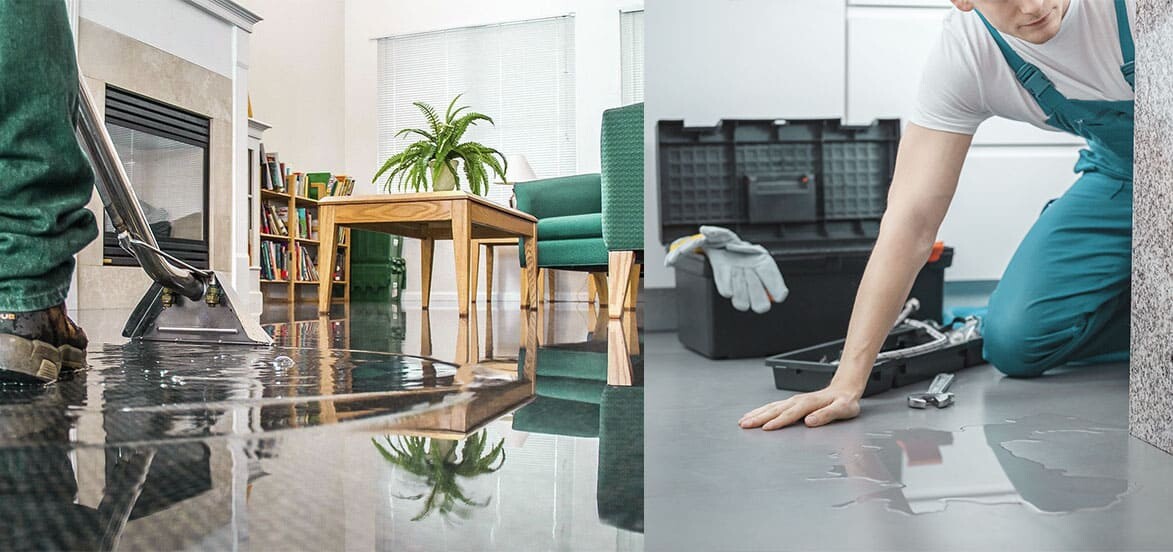
Water damage can wreak havoc on your home and finances. From burst pipes to leaky roofs, water-related issues can lead to costly repairs and significant headaches. However, with the right knowledge and preventative measures, you can safeguard your home against the perils of water damage. For comprehensive mold removal chicago trust our experienced team to thoroughly eliminate mold and safeguard your indoor air quality. In this comprehensive guide, we will explore various strategies and tips to help you protect your home effectively.
Assess Your Home’s Vulnerabilities
Before you can effectively prevent water damage, it’s crucial to understand your home’s vulnerabilities. Conduct a thorough assessment of your property to identify potential trouble areas:
1. Inspect Your Roof
Your roof is your first line of defense against water infiltration. Check for missing shingles, damaged flashing, or any signs of wear and tear. Address any issues promptly to prevent leaks during heavy rain.
2. Examine Gutters and Downspouts
Clogged or damaged gutters and downspouts can lead to water overflowing and seeping into your home’s foundation. Clean your gutters regularly and ensure downspouts direct water away from the foundation.
3. Check for Foundation Cracks
Inspect your home’s foundation for cracks or gaps that could allow water to penetrate. Seal any cracks with appropriate materials to prevent water infiltration.
4. Evaluate Windows and Doors
Improperly sealed windows and doors can let water in during rainstorms. Replace weather stripping and caulking as needed to maintain a watertight seal.

Maintain Plumbing Systems
Your home’s plumbing is another potential source of water damage. Regular maintenance and vigilance can prevent plumbing disasters:
1. Insulate Pipes
During cold winters, uninsulated pipes are at risk of freezing and bursting. Insulate exposed pipes to prevent costly water damage and the inconvenience of water supply disruptions.
2. Fix Leaks Promptly
Even a minor leak can lead to extensive water damage over time. Address leaks immediately to prevent mold growth and structural damage.
3. Install a Water Leak Detection System
Consider investing in a water leak detection system that alerts you to leaks as soon as they occur. Early detection can save you from major water damage and repair costs.
Protect Against Basement Flooding
Basement flooding is a common issue that can result from heavy rain or plumbing failures. Take these steps to safeguard your basement:
1. Install a Sump Pump
A sump pump can help prevent basement flooding by removing excess water. Ensure it’s in good working order and has a backup power source in case of electrical outages.
2. Seal Basement Walls and Floors
Sealing your basement walls and floors can prevent moisture infiltration. Consider using waterproofing materials to create a barrier against water seepage.
Prepare for Extreme Weather Events
Extreme weather events, such as hurricanes or heavy storms, can lead to significant water damage. Be prepared with the following tips:
1. Create an Emergency Kit
Prepare an emergency kit that includes essentials like bottled water, non-perishable food, flashlights, and first-aid supplies. Be ready to evacuate if necessary.
2. Elevate Electrical Systems
Raise electrical outlets, switches, and circuit breakers in your home’s lower levels to minimize the risk of electrical damage during floods.
The CleanUP Guys
(773) 885-8528
Regular Inspections and Maintenance
Consistent upkeep is essential for preventing water damage. Make it a habit to perform regular inspections and maintenance:
1. Schedule Annual Roof Inspections
Hire a professional to inspect your roof annually, especially after severe weather events. This proactive approach can catch problems early and prevent costly repairs.
2. Test Your Sump Pump
Regularly test your sump pump to ensure it functions correctly. Clean and maintain it according to the manufacturer’s recommendations.
3. Monitor Your Water Bill
A sudden increase in your water bill could indicate a hidden leak. If you notice an unexplained rise in costs, investigate promptly.
Conclusion
Protecting your home from water damage is a crucial responsibility for any homeowner. By assessing vulnerabilities, maintaining your plumbing systems, safeguarding against basement flooding, and preparing for extreme weather events, you can significantly reduce the risk of water damage. Regular inspections and maintenance are key to keeping your home safe and dry. With these tips, you can take proactive steps to ensure your home remains a haven, even in the face of water-related challenges.
Remember, prevention is the best defense against water damage, and a well-maintained home is your best asset in this regard. Start implementing these strategies today to secure your home from potential water damage risks.
Leave a Reply