
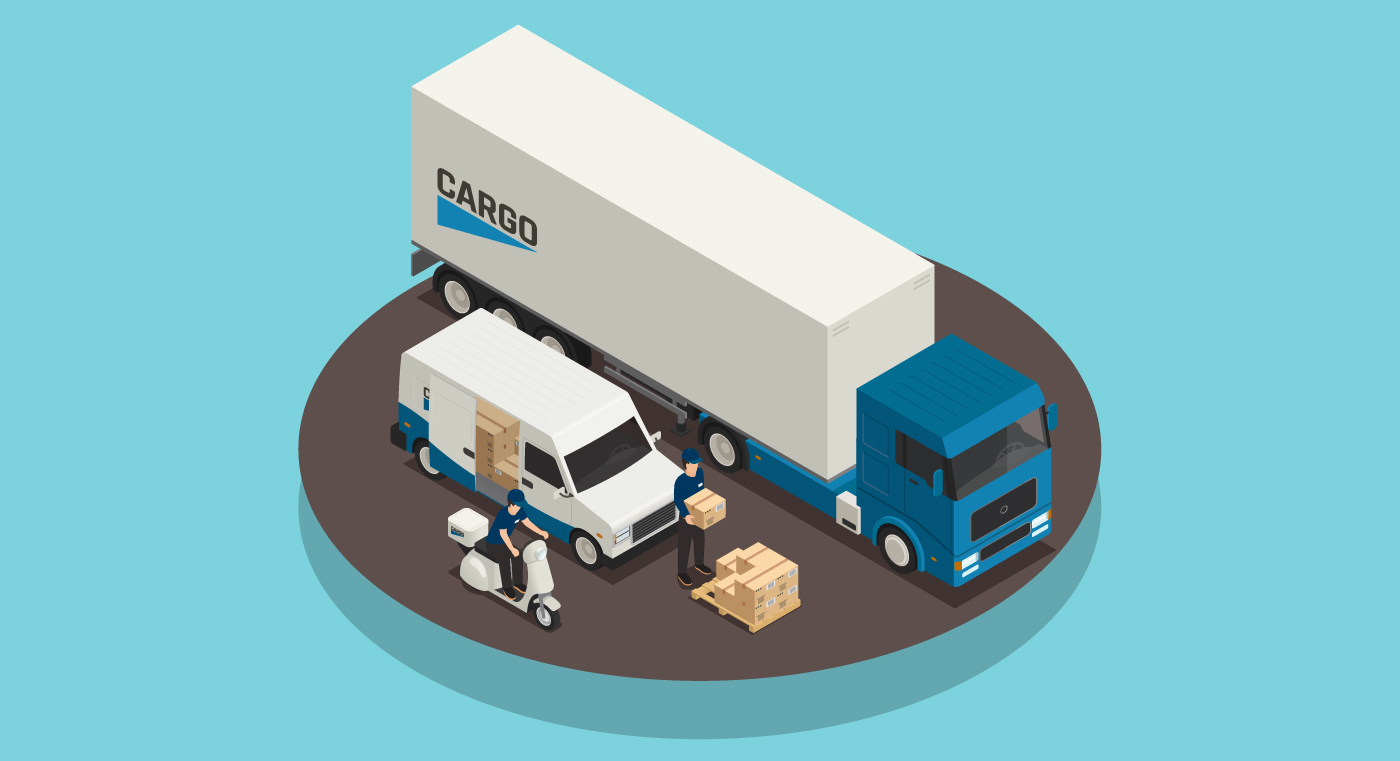
Transport management involves the planning, implementation, and control of the movement of goods and people efficiently and effectively. It plays a crucial role in ensuring that products reach their intended destinations on time and at minimal cost, while also facilitating the smooth flow of people from one place to another. With the increasing demand for transportation and the complexity of global supply chains, managing transportation has become more challenging than ever before. This article provides an overview of transport management and highlights its importance in today’s fast-paced and interconnected world.
Transport management encompasses various aspects, including route planning, fleet management, freight consolidation, vehicle tracking, and driver management. It focuses on optimizing resources, reducing transportation costs, improving delivery times, and enhancing overall customer satisfaction. Effective transport management requires a comprehensive understanding of logistics, supply chain management, and transportation regulations. It involves making informed decisions about transportation modes, carriers, and routes, while considering factors such as distance, cost, time, and environmental impact. The use of advanced technologies, such as GPS tracking, electronic data interchange, and transportation management systems, has revolutionized the field, enabling real-time monitoring, efficient communication, and data-driven decision-making. Supply Chains Improved with Transport Management Systems , optimizing logistics, increasing efficiency, and ensuring smoother operations.
Benefits of Transport Management Systems
A transport management system (TMS) is a software solution that helps businesses streamline their transportation operations. TMS offers various benefits to supply chains, improving efficiency and reducing costs. One significant advantage of TMS is improved visibility and tracking of shipments. With a TMS, companies can have real-time access to information about their shipments, including location, estimated time of arrival, and any delays or issues. This visibility allows businesses to proactively manage their supply chains and make informed decisions to ensure on-time delivery. TMS also helps optimize routes and load planning, which can lead to better fuel efficiency, reduced empty miles, and lower transportation costs.
Enhanced Collaboration and Integration
Implementing a TMS can significantly enhance collaboration and integration within the supply chain. With a TMS, companies can easily communicate with carriers, suppliers, and customers, exchanging information and coordinating activities more efficiently. The system allows for seamless integration of data from various sources, such as order management systems, inventory systems, and warehouse management systems. This integration helps eliminate manual data entry errors and ensures accurate and up-to-date information throughout the supply chain. By facilitating collaboration and integration, TMS promotes better coordination and visibility across all stakeholders, resulting in improved overall supply chain performance.
In conclusion, transport management plays a crucial role in ensuring the efficient and effective movement of goods and people. It encompasses various aspects such as route planning, fleet management, and driver management, all aimed at optimizing resources and reducing costs. The use of advanced technologies, like transport management systems, further enhances visibility, tracking, and collaboration within the supply chain. By implementing a TMS, businesses can improve efficiency, reduce transportation costs, and achieve better coordination and visibility across all stakeholders. In today’s fast-paced and interconnected world, effective transport management is vital for businesses to stay competitive and meet the increasing demands of the market.
Leave a Reply