
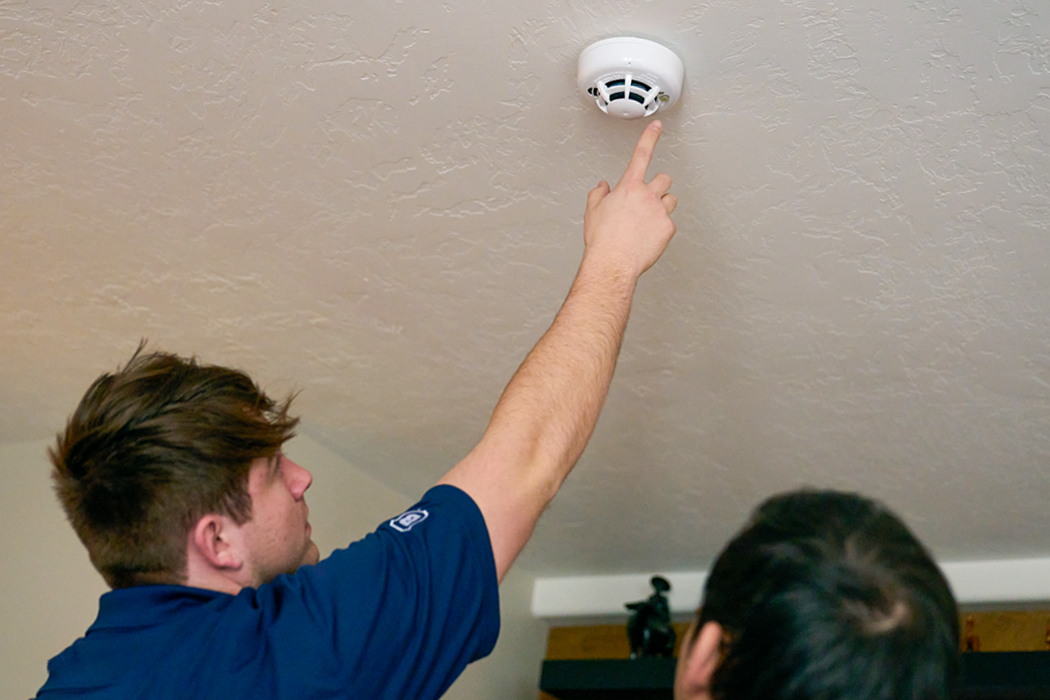
Carbon monoxide is a deadly gas that is odorless, colorless, and tasteless, making it extremely difficult to detect without the proper equipment. Carbon monoxide poisoning can result in serious health issues and even death if not identified and treated promptly. This is why carbon monoxide detectors are essential devices to have in every household, especially in areas where gas appliances are used.
Carbon monoxide detectors work by detecting levels of the gas in the air and alerting individuals with a loud alarm if dangerous levels are detected. This allows residents to quickly evacuate the premises and seek medical attention if necessary. In this article, we will explore the importance of carbon monoxide detectors, how they work, and how to properly maintain them to ensure the safety of you and your loved ones.
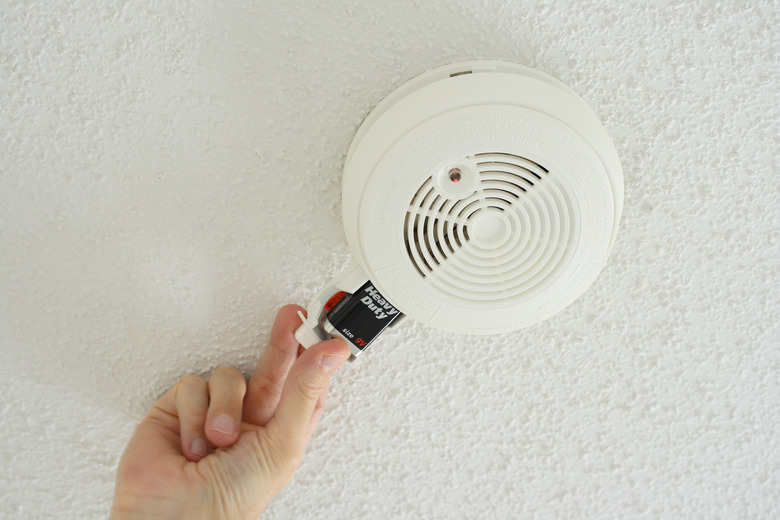
The Importance of Carbon Monoxide Detectors
Carbon monoxide detectors are crucial for ensuring the safety of your home and family. As mentioned, carbon monoxide is a silent killer, making it imperative to have a reliable detector installed in your living space. Whether you have gas appliances, a fireplace, or even an attached garage, the risk of carbon monoxide poisoning is present. By investing in a carbon monoxide detector, you can have peace of mind knowing that you will be alerted if dangerous levels of the gas are detected. Additionally, for those who enjoy traveling, having a portable option such as the travel carbon monoxide detector can provide an extra layer of protection while on the go.
Overall, the installation of carbon monoxide detectors is a simple and effective way to protect yourself and your loved ones from the dangers of this deadly gas. It provides an early warning system that can save lives in the event of a leak or malfunction in gas appliances. By understanding the importance of these devices, knowing how they work, and properly maintaining them, you can create a safer living environment for yourself and those around you. Remember, when it comes to carbon monoxide safety, prevention is key.
Leave a Reply