

Dental Care and Diabetes: Navigating Oral Health with Diabetes
Managing diabetes involves more than just monitoring blood sugar levels; it also requires paying attention to your oral health. Diabetes can affect your mouth and teeth, making proper dental care essential for overall well-being. Here’s a guide to navigating oral health with diabetes:
Maintain Good Blood Sugar Control: Stable blood sugar levels are crucial for preventing oral health complications. High blood sugar can contribute to gum disease, cavities, and other dental issues. For cure do visit Knoxfield Dental Care Work with your healthcare team to manage your diabetes effectively.
Prioritize Oral Hygiene: Follow a consistent oral hygiene routine of brushing twice a day and flossing daily. Use a soft-bristle toothbrush and fluoride toothpaste. Proper oral hygiene helps prevent plaque buildup and reduces the risk of gum disease.
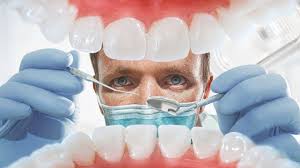
Regular Dental Check-ups: Schedule dental appointments every six months or as recommended by your dentist. Inform your dentist about your diabetes diagnosis so they can tailor their care to your needs.
Control Gum Disease: Diabetes can increase the risk of gum disease. If you notice symptoms like bleeding gums, redness, or swelling, consult your dentist promptly. Treating gum disease is essential to prevent its progression.
Stay Hydrated: Drink plenty of water to stay hydrated. Dry mouth is a common side effect of diabetes and certain medications, and it can contribute to tooth decay. Drinking water helps maintain saliva production, which aids in neutralizing acids.
Be Cautious with Sugar: Limit sugary foods and beverages as they can impact blood sugar levels. Choose sugar-free alternatives and opt for nutritious snacks to support your overall health.
Avoid Smoking: Smoking increases the risk of gum disease and complications related to diabetes. If you smoke, consider quitting to improve your oral and overall health.
Monitor Mouth Sores and Infections: Diabetes can make you more susceptible to infections, including oral ones. Pay attention to any sores, ulcers, or signs of infection in your mouth, and seek prompt treatment.
Manage Dry Mouth: If you experience dry mouth, talk to your dentist. They can recommend products to help alleviate the discomfort and maintain oral moisture.
Discuss Medications: If your diabetes medications affect your oral health, discuss this with your dentist. They can provide guidance on managing any related issues.
Inform Your Dentist: Ensure your dentist knows about your diabetes, medications, and any changes in your health status. This information helps them provide the best care for your unique needs.
Optimal Nutrition: A balanced diet supports both your diabetes management and oral health. Focus on nutrient-rich foods like fruits, vegetables, whole grains, lean proteins, and low-fat dairy products.
Address Dental Issues Promptly: If you experience dental problems like cavities or broken teeth, address them promptly. Delaying treatment can lead to more severe issues down the line.
Educate Yourself: Learn about the connections between diabetes and oral health. Understanding the potential risks and how to manage them empowers you to make informed decisions.
By prioritizing oral health and maintaining a collaborative relationship with your healthcare team and dentist, you can navigate the challenges of diabetes while promoting a healthy smile.
Leave a Reply