
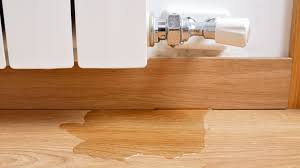
Water, a vital element of life, can swiftly transform from a necessity to a homeowner’s worst nightmare when it infiltrates living spaces. Water damage can be caused by a variety of sources, from leaky roofs to plumbing mishaps, and the consequences can be severe. Facing water damage? Our team specializes in efficient water damage repairs, offering quick solutions to restore your property and prevent further damage. Trust us for a reliable restoration experience. In this guide, we’ll explore practical tips to help you prevent water damage and effectively manage it if it occurs.
Understanding Water Damage
To effectively combat water damage, understanding its various forms and how they can affect your home is crucial.
Types of Water Damage
a. Flood Damage
Floods, often caused by natural disasters or burst riverbanks, can cause extensive destruction to your home and belongings.
b. Structural Damage
Long-term exposure to water can weaken your home’s structural components, leading to compromised stability and safety.
Causes of Water Damage
a. Leaky Roofs
Roof leaks, often caused by damaged shingles or inadequate drainage, can allow water to seep into your home, causing both structural and aesthetic damage.
b. Faulty Plumbing
Leaks, bursts, or pipe degradation within your plumbing system can lead to significant water damage if not detected and repaired promptly.

Preventive Measures to Combat Water Damage
Preventing water damage is the first line of defense for homeowners. Implement these proactive measures to safeguard your home.
Regular Home Inspections
a. Roof Inspections
Regularly inspect your roof for missing shingles, signs of damage, and ensure proper drainage to prevent leaks.
b. Plumbing Checks
Frequently check for leaks or signs of wear and tear in your plumbing system. Prompt repairs can prevent extensive water damage.
Proper Drainage
a. Gutter Maintenance
Clean gutters and downspouts regularly to ensure proper water flow and avoid water accumulation on your roof.
b. Landscape Sloping
Ensure your yard slopes away from the foundation of your home to prevent water pooling and potential foundation damage.
Managing Water Damage: A Timely Response
Despite precautions, water damage can still occur. Acting swiftly is crucial to mitigate the extent of damage.
Immediate Action
a. Stop the Water Source
Identify and stop the source of water to prevent further damage. This may involve shutting off the main water supply.
b. Document Damage
Document the damage with photographs or videos for insurance claims and professional assessment.
Professional Assistance
a. Contact Restoration Experts
Reach out to water damage restoration professionals to assess the damage and begin the cleanup and restoration process.
Conclusion
Water damage is a formidable adversary for homeowners, but with vigilance, regular inspections, and a swift response when damage occurs, you can minimize its impact. Your home is your haven, and by implementing preventive measures and having a plan of action, you can keep it safe, dry, and resilient against water’s unwelcome advances.
Leave a Reply