
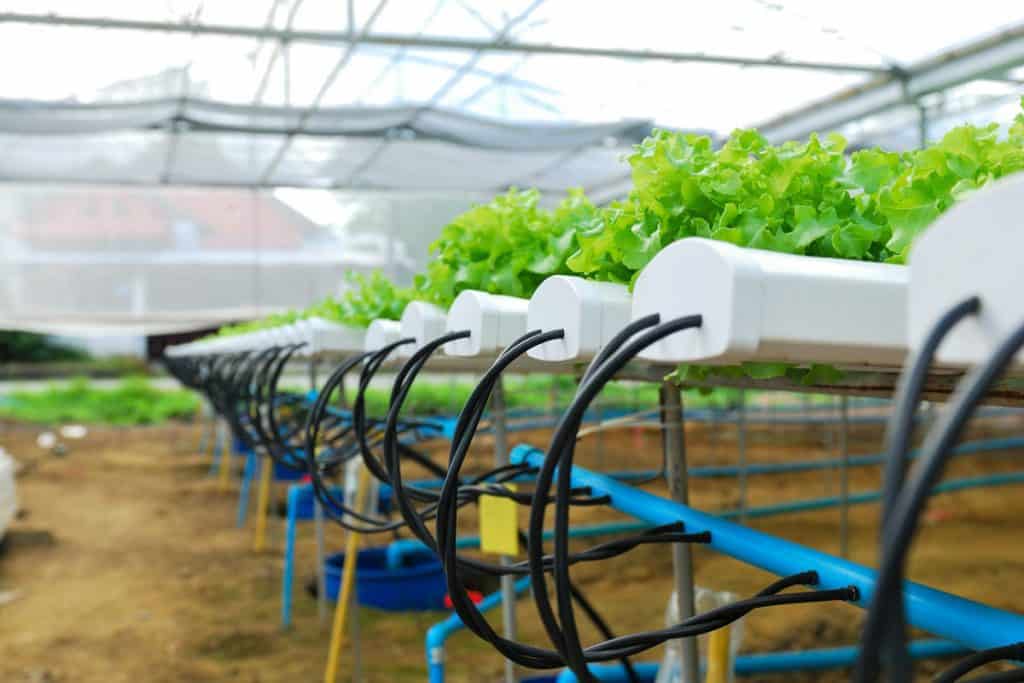
Water pumps are the unsung heroes of hydroponic systems, playing a crucial role in circulating nutrient solutions, maintaining root health, and ensuring overall system performance. These pumps facilitate the movement of water and nutrients to the plant roots, creating an environment conducive to healthy growth. In this 800-word blog post, we’ll explore the significance of water pumps in hydroponics, the types available, their proper usage, and their role in achieving successful hydroponic cultivation. For more information regarding hydroponic plant one can visit our site https://hydroponicglobal.com.au/.
The Importance of Water Pumps in Hydroponics:
Water pumps are integral to hydroponic systems for several reasons:
1. Nutrient Circulation: Pumps circulate nutrient-rich water through the growing medium, ensuring that plant roots receive a consistent supply of essential nutrients.
2. Oxygenation: The movement of water by pumps oxygenates the root zone, preventing anaerobic conditions and promoting healthy root development.
3. Temperature Control: In recirculating systems, pumps help regulate the temperature of the nutrient solution by moving it through heat exchangers or chillers.
4. Preventing Stagnation: Stagnant water can lead to the growth of harmful pathogens and algae. Pumps keep the nutrient solution moving to prevent stagnation.
Types of Water Pumps for Hydroponics:
There are several types of water pumps commonly used in hydroponics:
1. Submersible Pumps: These pumps are fully submerged in the nutrient solution and are commonly used in reservoirs and deep-water culture (DWC) systems. Submersible pumps are easy to install and maintain.
2. Inline Pumps: Inline pumps are positioned outside the nutrient solution and are connected to the system via tubing. They are suitable for systems where submersion is not practical, such as nutrient film technique (NFT) systems.
3. Air Pumps: While not used for nutrient circulation, air pumps are vital for providing oxygen to the root zone in some hydroponic systems. They create bubbles that oxygenate the nutrient solution in aeroponics or deep-water culture setups.
Proper Usage of Water Pumps in Hydroponics:
To use water pumps effectively in hydroponics, follow these guidelines:
1. Choose the Right Pump: Select a pump that is appropriately sized for your system’s needs. Consider factors like flow rate, head height (vertical lift), and power consumption.
2. Regular Maintenance: Clean and inspect your pump regularly to remove debris or mineral buildup that can impede its function. Keep the intake screen or filter clean.
3. Positioning: Position the pump correctly in the system. Submersible pumps should be fully submerged in the nutrient solution, while inline pumps should be connected securely with the tubing.
4. Priming: Prime the pump if necessary to ensure it is filled with liquid before operation. This prevents airlocks and helps the pump function smoothly.
5. Protection: Protect the pump from electrical contact with water or physical damage. Use waterproof or weatherproof electrical connections and enclosures.
6. Backup Systems: Consider installing a backup pump or a redundancy system in case of pump failure. This helps prevent catastrophic crop loss due to pump malfunctions.
The Role of Water Pumps in Achieving Successful Hydroponic Cultivation:
Water pumps are essential components of hydroponic systems, contributing to the overall success of crop cultivation:
1. Healthy Root Growth: Pumps provide a consistent flow of nutrient-rich water to plant roots, ensuring they receive the necessary nutrients for healthy growth.
2. Increased Oxygenation: Proper water circulation oxygenates the root zone, preventing root rot and promoting robust root development.
3. Nutrient Distribution: Pumps distribute nutrients evenly throughout the growing medium, preventing nutrient stratification and ensuring uniform plant growth.
4. Temperature Control: In recirculating systems, pumps help maintain the ideal temperature range for nutrient solution, preventing stress to plants.
5. Disease Prevention: Constant water circulation reduces the risk of pathogen buildup, such as pythium (root rot), by preventing stagnant conditions.
Conclusion:
Water pumps are unsung heroes in hydroponics, responsible for nutrient circulation, root health, and system performance. Choosing the right pump, maintaining it properly, and understanding its role in the hydroponic system are essential for successful cultivation. Whether you’re a hobbyist or a commercial grower, investing in quality water pumps and diligent maintenance is key to ensuring your hydroponic crops thrive and produce healthy yields.
Leave a Reply