
Balance and Harmony: Achieving Aesthetics through Furniture Furnishing
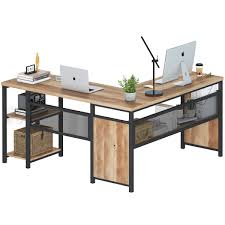
In the realm of interior design, furniture isn’t just about functionality—it’s a powerful tool for creating a symphony of balance and harmony within a space. The way furniture is selected, arranged, and integrated can transform a room into a visually pleasing and emotionally resonant environment. Achieving this delicate balance office furniture and harmonious aesthetics through furniture furnishing requires a deep understanding of design principles and a keen eye for detail. In this article, we’ll explore the art of achieving balance and harmony in your interior spaces through thoughtful furniture furnishing, offering insights, techniques, and inspiration for creating environments that are as beautiful as they are balanced.
The Dance of Proportion
Balance begins with proportion—a fundamental principle that governs the relationship between furniture pieces and the space they occupy. Whether it’s a large sofa anchoring a living room or a delicate side table complementing an armchair, consider the size and scale of each piece in relation to the overall room dimensions. Aim for a proportional distribution that avoids overwhelming or underwhelming the space.
 Contrast and Cohesion
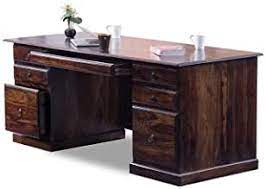
Balancing furniture doesn’t mean every piece should match perfectly. Instead, embrace contrast as a tool for creating visual interest. Play with different styles, textures, and materials to add depth to your design. To maintain cohesion, however, ensure that there’s a unifying element—be it a color, texture, or theme—that ties the diverse pieces together.
Focal Points and Symmetry
Harmony often arises from a focal point that anchors the design. Arrange furniture to draw attention to this centerpiece—a captivating artwork, a striking fireplace, or an architectural feature. While symmetry can contribute to a sense of order and tranquility, asymmetry can add a touch of dynamism. Strike a balance between these elements to achieve an overall feeling of equilibrium.
Flow and Functionality
A harmonious space not only looks visually appealing but also functions seamlessly. Consider the flow of movement within a room and arrange furniture to facilitate easy navigation. Avoid cluttering pathways and ensure that each piece serves a purpose. A well-organized layout contributes to both the visual and practical balance of a room.
Color Palette and Mood
Colors have the power to evoke emotions and set the tone for a space. Select a color palette that resonates with the ambiance you want to create. While bold pops of color can energize a room, a subdued palette can promote relaxation. Maintain a balanced distribution of colors, ensuring that one dominant shade doesn’t overpower the others.
Personal Touches and Sentimental Value
Infuse your personality into your space by incorporating furniture with sentimental value or personal stories. A cherished family heirloom or a piece acquired during your travels can add a layer of authenticity to the design. Integrate these pieces thoughtfully to maintain the overall balance while adding a touch of personal narrative.
Achieving balance and harmony through furniture furnishing is an art that demands both creativity and intentionality. By mastering the dance of proportion, embracing contrast and cohesion, emphasizing focal points, ensuring functional flow, curating a harmonious color palette, and infusing personal touches, you can create spaces that resonate with beauty and tranquility. Remember that the art of balance goes beyond aesthetics—it’s about creating an environment that brings a sense of calm and joy to those who inhabit it.
Leave a Reply